

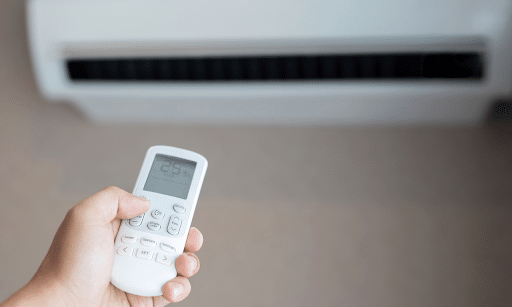
Most of us only think about air quality when allergy season hits or wildfires make the news. What we tend to overlook is that about 90 percent of the air we breathe is indoors. Between sleeping, working, commuting, and relaxing at home, indoor air makes up the majority of our daily exposure. When that air contains pollutants or lacks proper ventilation, the effects can add up quickly. That raises an important question: “what is IAQ?”
IAQ stands for Indoor Air Quality. At its core, it refers to how clean, healthy, and comfortable the air is inside a building. While the term sounds technical, the concept is simple. Good IAQ supports breathing, focus, sleep, and overall well-being. Poor IAQ can quietly contribute to headaches, fatigue, allergy symptoms, respiratory irritation, and long-term health issues.
Why Indoor Air Quality Matters More Than You Think
Unlike outdoor pollution, indoor air problems are easy to miss. You cannot always see or smell them. In fact, some of the most common indoor pollutants are completely invisible. Over time, they can build up, especially in tightly sealed buildings designed for energy efficiency.
Good IAQ is not just about avoiding discomfort. It plays a role in productivity, learning, recovery from illness, and even mood. When air quality improves, people often notice they sleep better, feel more alert, and experience fewer unexplained symptoms.
What Affects Indoor Air Quality?
Indoor air quality is shaped by a mix of factors working together. Some are obvious, while others are easy to overlook.
Ventilation
Fresh air exchange is one of the biggest drivers of IAQ. Without proper ventilation, pollutants linger indoors instead of being diluted or removed. Older buildings may lack adequate airflow, while newer buildings may be sealed too tightly without enough mechanical ventilation to compensate.
Indoor Pollutants
Common indoor pollutants include dust, pet dander, mold spores, smoke, cleaning chemicals, and fumes from paints, furniture, or building materials. Cooking, candles, fireplaces, and even office equipment can release particles into the air.
Humidity Levels
Humidity plays a major role in comfort and health. Too much moisture can encourage mold growth and dust mites. Too little moisture can dry out skin, eyes, and respiratory passages. Balanced air and humidity help reduce the risk of biological contaminants.
Outdoor Air Influence
Outdoor air quality does not stop at the front door. Traffic pollution, pollen, wildfire smoke, and industrial emissions can all enter buildings through doors, windows, and ventilation systems.
Signs of Poor Indoor Air Quality
IAQ issues often show up subtly. People may blame stress, allergies, or lack of sleep without realizing the environment is contributing.
Common signs include:
- Persistent headaches or fatigue indoors
- Allergy or asthma symptoms that improve outside
- Musty or stale odors
- Frequent respiratory irritation
- Excessive dust buildup
- Condensation on windows or vents
How IAQ Is Measured
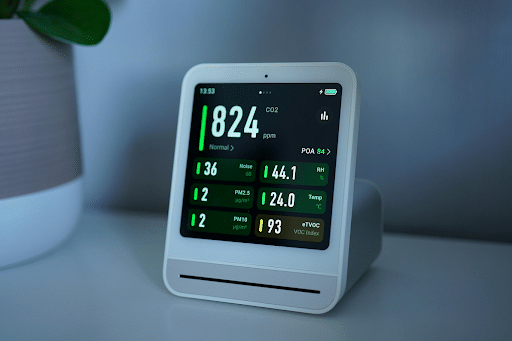
Indoor air quality can be assessed in several ways, depending on the concern. Professionals may measure particulate matter, carbon dioxide, carbon monoxide, volatile organic compounds (VOCs), humidity, and airflow. These measurements help identify whether air is being refreshed properly and whether contaminants are present at concerning levels.
While professional assessments provide the most accurate picture, even simple indicators like humidity monitors or carbon dioxide sensors can offer helpful insights into indoor conditions.
Improving Indoor Air Quality
The good news is that IAQ can be improved with practical steps rather than major renovations.
- Increase ventilation when possible by bringing in outdoor air safely.
- Use high-quality air filters and replace them regularly.
- Control humidity with dehumidifiers or humidifiers as needed.
- Address water leaks or moisture issues promptly.
- Choose low-emission cleaning products and building materials.
- Keep HVAC systems maintained and serviced.
Small changes, when done consistently, can make a noticeable difference.
The Bottom Line
When air quality is ignored, problems tend to surface slowly and quietly. When it is addressed, the benefits are often felt immediately.
Understanding the basics of indoor air quality is the first step toward creating spaces where people can breathe easier, think clearer, and feel better. Whether at home or at work, the air inside matters more than most people realize.