

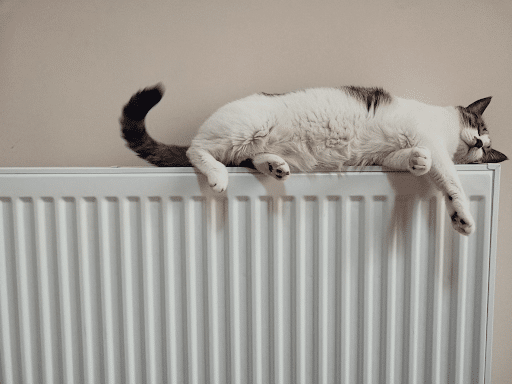
Living in Colorado Springs means preparing for long, cold winters where temperatures can dip well below freezing. The city’s higher elevation adds another layer of challenges, as heating systems often work harder in thinner air and fluctuating weather patterns. On top of that, energy costs continue to rise, making efficiency and reliability critical for homeowners.
This guide is designed to walk Colorado Springs homeowners through everything they need to know about heating. We’ll cover the different types of systems, how efficiency ratings affect your utility bills, maintenance best practices, and when to consider replacement. Along the way, you’ll learn how to balance upfront costs with long-term comfort and savings.
As a trusted local provider, Oak View Mechanical has years of experience helping homeowners in Colorado Springs select, install, and maintain heating systems that perform reliably in our unique climate. Whether you’re building a new home, replacing an outdated system, or simply looking to improve efficiency, this guide will give you the foundation to make informed decisions.
Understanding Home Heating Basics
Heating may seem straightforward. We simply turn up the thermostat and warm air flows through our home, right? But in reality, there is a lot more happening behind the scenes.
How Heating Systems Work
Most heating systems operate by generating or transferring heat and distributing it throughout a building. This process can be fueled by gas, electricity, oil, or renewable energy sources. The system’s thermostat acts as the control center, signaling the equipment to start or stop as indoor temperatures fluctuate.
Most systems follow a simple chain of events:
- Heat Generation or Transfer – A furnace burns fuel, a boiler heats water, or a heat pump extracts warmth from the air or ground
- Distribution – That heat is moved through ducts, pipes, or directly into rooms
- Control – A thermostat regulates the process by signaling the system on and off
- Ventilation and Safety – Exhaust gases or excess heat are safely vented away, and built-in sensors prevent overheating or carbon monoxide leaks
While the mechanics differ depending on the system type, the principle remains the same: create warmth and move it efficiently into your home. The thermostat is the traffic cop. It senses indoor temperature and calls for heat when the home drops below your setpoint. In zoned systems, multiple thermostats control different areas independently for better comfort and efficiency.
Key Components of Heating Systems
A heater has a lot of different working parts. While the exact way they work is going to depend on the system, these are the key components of every type of system:
- Heat source: burners and heat exchanger (furnace), electric coils (electric furnace), compressor/coil set (heat pump), or boiler heat exchanger
- Distribution: supply and return ductwork for forced air; PEX/copper piping and circulator pumps for hydronics; refrigerant lines and air handlers for heat pumps/mini splits
- Controls: single-stage, two-stage, or modulating controls; zoning dampers; smart thermostats that adapt schedules and optimize run time
- Safety: limit switches, flame sensors, pressure relief valves, condensate drains, draft/combustion air provisions, and carbon monoxide detection. At altitude, correct combustion setup and venting are especially critical.
Central Heating vs. Room-by-Room Solutions
Central systems like a furnace and ducts, boiler and radiant heat, or whole-home heat pump, deliver even comfort across the house and typically integrate filtration and humidification. They shine in medium-to-large homes or where you want consistent temperatures everywhere.
In contrast, a room-by-room system, like ductless mini splits or electric baseboards, targets specific spaces. These tend to be perfect for additions, retrofits without ducts, bonus rooms over garages, or households with different temperature preferences. Zoning with ductless often beats “whole-house” for households that occupy just a few rooms most of the day.
Types of Heating Systems

Photo by Снежана on Pexels
When it comes to keeping your home warm, no single system fits every household. Colorado Springs homeowners can choose from several heating technologies, each with its own strengths, costs, and comfort levels. Understanding the differences between furnaces, boilers, heat pumps, and ductless mini splits will help you decide which option best matches your home, budget, and lifestyle.
Furnaces
Furnaces are the most common Colorado Springs solution, thanks to existing ductwork in many homes and strong, quick heat output. There are both gas and electric options to consider. Your final decision may depend on the hookups in your home or what you are willing to adjust to accommodate the system.
Gas furnaces deliver high heat at a relatively low operating cost where natural gas is available. They require proper venting and combustion setup and altitude derating matters. Electric furnaces tend to be much simpler because there is no venting or combustion. However, electricity can cost more to heat the same space. They can be a good fit where gas isn’t available, where a heat pump provides most heat and electricity serves as backup, or for smaller, well-insulated homes.
There are pros and cons to using furnaces. Here are a few of each.
Pros
- Rapid temperature recovery and powerful output
- Works well with modern filtration, UV air treatment, and whole-home humidifiers
- Compatible with two-stage/modulating burners and variable-speed blowers for comfort and noise reduction
Cons
- Duct leakage can waste energy and reduce comfort if not sealed/balanced
- Combustion systems require regular safety checks
- Electric furnaces can be costly to run in prolonged cold
On average, a furnace will last for 15-20 years at least, especially with proper tune-ups and filter changes. A furnace is best if you have good ductwork in place and want a strong, predictably performing system. It pairs well with central AC or a heat pump for your summer cooling.
Boilers and Radiant Heating
Hydronic systems heat water and circulate it through your home to radiators, baseboards, or in-floor tubing. Rather than blasting warm air, radiant systems bathe spaces in gentle, even heat. A boiler heats water, not always to the point of steam in residential settings. Circulator pumps move that water through loops. As water passes through emitters, it gives up heat and returns cooler to the boiler to be reheated.
They can emit heat in different ways. These are a few common methods:
- Cast-iron radiators: iconic look, long thermal mass, steady warmth
- Baseboard heaters: low-profile, quiet, zonable
- In-floor radiant: tubing under floors (staple-up or slab) gives “warm toes” comfort and extremely even temperatures
There are several benefits to know about that might impact your decision. Most of the benefits relate directly to comfort and efficiency:
- Quiet operation with less dust movement (great in our dry climate)
- Excellent temperature stability with less “hot/cold” cycling
- Easy to zone by room or floor
- Works beautifully in remodels where ductwork is impractical
There are some things to consider as well. These may hold a higher upfront cost for install compared to a basic furnace. They sometimes have a slower response time than forced air, but some prefer it that way. Because of the way the heat emits, these often require separate emittance or ducts from AC systems.
Heat Pumps
Heat pumps have evolved rapidly and are no longer only for mild climates. Many Colorado Springs homes now use heat pumps for a large share of the heating season. There is a difference in air source and ground source solutions. Here is a quick look:
- Air-source heat pumps (ASHP): Move heat between outdoor air and indoor coil. Modern cold-climate models maintain useful output at low outdoor temperatures.
- Ground-source (geothermal): Exchange heat with consistent-temperature earth loops. Outstanding efficiency and comfort, but higher upfront cost and yard/boring requirements.
The nice thing about heat pumps is while they contain the term heat, they are actually usable for dual function and can provide both heating and cooling. A single system that heats in winter and cools in summer. Paired with either electric resistance or a gas furnace for backup, you get flexible, efficient year-round comfort.
In Colorado Springs, many homeowners go with a heat pump and pair it with their gas furnace so they have a backup if they lose power and stronger solutions for those coldest days. It is important to have a proper size application and be prepared with a defrost strategy because of altitude.
Ductless Mini Splits

Photo by Max Vaktbovycn on Pexels
Ductless mini split systems use small, efficient indoor air handlers connected to an outdoor unit by refrigerant lines. For these, there is no ductwork required. Each indoor head heats and cools the zone it serves. Inverter-driven compressors modulate output to match the load precisely, which saves energy and keeps temperatures steady.
The best uses include:
- Additions, sunrooms, studios, mother-in-law suites
- Older homes without ducts
- Homes with comfort problem areas (bonus rooms, basements)
- Multi-zone setups where each bedroom or living area gets its own control
Homeowners really enjoy this option because of the zoning and efficiency possibilities and the avoidance of ductwork. That doesn’t make them perfect for every scenario, but they certainly can work for many. They are super quiet in operation, incredibly efficient, and there is little to no disruption for installation.
Choosing the Right Heating System for Your Home
Here’s a framework of the basics that need to be considered before choosing a final solution. At Oak View Mechanical, we walk through your unique needs and preferences before making any final recommendations.
- Assess the envelope: Square footage is only part of the story. Insulation levels, window quality, air sealing, and orientation influence heat loss. Tight, well-insulated homes need far less capacity than leaky ones.
- Consider elevation and climate: At higher elevations, combustion appliances are typically derated (they produce less output because there’s less oxygen). Cold-climate heat pump performance at your design temperature matters. Your system must deliver design-day heat without running flat-out constantly.
- Inventory existing infrastructure: Duct condition, available electrical capacity, gas service, and venting paths drive cost and feasibility. A modest duct renovation can transform comfort; sometimes a zoned ductless approach is smarter than rebuilding ducts end-to-end.
- Define comfort priorities: Do you want the absolute quiet and evenness of radiant floors? Room-by-room control for family members with different preferences? Strong air filtration for allergies? These answers narrow the field quickly.
- Map budget vs. lifecycle cost: Upfront price is one line item; energy and maintenance are the others. Often, a higher-efficiency or dual-fuel solution pays back steadily, especially with utility incentives.
- Plan for cooling: If you also need summer cooling, a heat pump (ducted or ductless) or a furnace paired with a heat pump/AC is usually optimal. If you have radiant heat, mini splits are a clean way to add cooling with targeted zoning.
- Leverage incentives: Local and state programs often reward high-efficiency installs. Oak View Mechanical can help you navigate which combinations (e.g., heat pump + smart controls, sealed ductwork, high-AFUE furnaces) qualify and how to document the work for rebates.
As a rule of thumb, if you own the home for 5+ years, you will likely favor higher efficiency and better controls. If you plan to sell soon, choose reliability and code-compliant performance, but avoid overspending on features you won’t enjoy. If you’re considering a replacement, you want to closely calculate efficiency and compare that to the upfront cost to make a decision.
Two-stage or modulating equipment, variable-speed blowers, and zoning cost more initially but create smoother temperatures, quieter operation, and fewer drafts. Over a decade, those benefits are noticeable every single day of winter. Sometimes paying a little more is worth the long-term comfort and overall savings you might experience.
Energy Efficiency and Ratings Explained

Photo by Max Vakhtbovycn on Pexels
Understanding the labels helps you predict operating cost and qualify for incentives. There are so many acronyms with unique meanings. Here is a quick overview of the most common ones.
- AFUE (Annual Fuel Utilization Efficiency): Applies to furnaces and boilers. A 95% AFUE furnace converts 95% of fuel energy into usable heat. Older models (70–80%) waste far more. If your furnace is 15+ years old, AFUE alone can justify replacement.
- SEER2: Applied to heat pumps and is the updated cooling efficiency metric; higher is better.
- HSPF2: Also applies to heat pumps and is the updated heating efficiency metric for heat pumps; again, higher is better. Cold-climate models often feature improved low-temperature capacity, variable-speed compressors, and smarter defrost cycles that preserve efficiency in freezing conditions.
- ENERGY STAR: Systems that meet or exceed stringent federal thresholds for performance. ENERGY STAR equipment frequently unlocks rebates and is a reliable quick check for above-baseline efficiency.
Efficiency is going to directly impact your utility bills. For example, a jump from 80% AFUE to 95% AFUE dramatically reduces fuel waste. A variable-speed blower can lower electrical draw and improve filtration effectiveness by running longer at low speed. With heat pumps, pairing right-sized equipment with intelligent controls and proper weatherization can shift a large share of your heating load to high-efficiency electric, often at lower total cost than gas-only.
If your heating system is more than 10–15 years old, chances are it’s using more energy than it should. By replacing outdated equipment with modern, high-efficiency models, you can cut that waste dramatically. The savings don’t just come from the new system itself. Pairing an upgrade with simple improvements, like sealing leaky ducts, adding insulation in the attic, or installing a programmable thermostat, helps your home hold onto heat more effectively.
Together, these updates reduce the amount of work your system has to do, lower your utility bills, and keep your home consistently comfortable all winter long.
Heating Maintenance & Best Practices
Think of maintenance as a low-cost insurance policy that boosts comfort, cuts energy waste, and extends lifespan.
Schedule a professional tune-up every fall. A proper visit should include combustion analysis, checking heat exchanger condition, confirming gas pressure or electric draw, verifying safety switches, lubricating moving parts where applicable, testing temperature rise, and documenting static pressure/airflow. For heat pumps, add refrigerant charge verification, defrost cycle checks, and outdoor coil cleaning.
Clogged filters choke airflow and drive up energy use. In our dusty, dry climate, check monthly and replace every 1–3 months. If you use higher-MERV filters for allergies, confirm your blower and duct static can handle it. Otherwise, you may need a media cabinet upgrade to keep airflow healthy. Professional duct cleaning can be valuable as well, especially after renovations, in homes with visible dust buildup, or when airflow issues suggest restrictions. Sealing and balancing often deliver bigger gains than cleaning alone.
Monitor your thermostat and whether your system is performing and keeping up. If there seems to be a regular difference or struggle, your thermostat may just need to be calibrated, but there also could be issues with the system to address.
Want the best lifespan from your system?
- Keep the outdoor heat pump unit clear of snow, leaves, and fencing; maintain 18–24 inches of clearance
- Ensure condensate drains are pitched and clear
- Listen for new noises (rattles, squeals, hard starts) and call early as small fixes prevent major failures
- For boilers, bleed radiators, check system pressure, and confirm expansion tank health annually
Repair vs Replacement: How to Decide

Photo by Dan LeFebvre on Unsplash
No one wants to replace equipment prematurely, but throwing good money after bad equipment isn’t smart, either. Use a simple, rational approach with these considerations:
- Age and reliability: At 15–20 years, most furnaces are nearing the end of their life. If you’re facing recurring breakdowns or uneven heating, start evaluating replacement options, not just the next repair.
- The “5,000 Rule”: Multiply the estimated repair cost by the system age. If that product exceeds 5,000, replacement is usually the better long-term decision.
- For example: A 14-year-old furnace with a $500 repair → 14 × 500 = 7,000 → lean toward replacement.
- Another example: A 7-year-old system with a $300 repair → 7 × 300 = 2,100 → repair likely makes sense.
- Comfort and safety: If you struggle with cold rooms, short cycling, or high CO detector alerts, the fix may involve more than a part swap. Resizing, duct balancing, or a new system with staging and variable speed can solve root causes that repairs can’t.
- Energy economics: If your current AFUE is 70–80% and your winter gas bills are climbing, upgrading to 95%+ AFUE, or shifting much of your load to a cold-climate heat pump can produce immediate, predictable savings.
Two furnaces of the same age can be in radically different condition. A licensed technician sees patterns like heat exchanger cracks, abnormal temperature rise, and excessive static that suggest impending failure or unsafe operation. If you are unsure, don’t hesitate to consult with a professional before you decide.
Professional Heating Services
Changing a filter is a simple task most homeowners can handle, but keeping an entire heating system safe and efficient requires professional training. Licensed technicians bring the knowledge and tools needed to spot problems early, make precise adjustments, and ensure your system is running the way it should.
- Safety first – Professionals check for gas leaks, carbon monoxide risks, and proper venting to keep your family protected
- Protect your investment – Systems that are installed or serviced according to local codes keep your warranty intact and help prevent costly breakdowns
- Better performance – A well-maintained system runs more quietly, heats more evenly, and uses less energy—saving you money while keeping your home more comfortable
Comprehensive services from a professional are going to include things like these:
- Equipment selection support
- Installation with proper clearances, venting, and commissioning checks
- Duct sealing and balancing, or zoning design for room-by-room control
- Control strategy and thermostat programming to match your lifestyle
- Maintenance plans and responsive repair service, including emergency calls
Oak View Mechanical pairs deep local experience with a consultative process. Expect clear options, respect for your budget, and meticulous installation so the system you buy is the system you actually experience.
Preparing Your Heating System for the Winter
A few hours in the fall can prevent days without heat in January. Use this pre-season checklist:
- Schedule a tune-up: Do it before the first cold snap so parts and appointments are available
- Replace the filter: Note the date and set a reminder for the next change
- Test your thermostat: Verify heat mode, staging, schedules, and remote sensors
- Clear supply/return vents: Move furniture, rugs, and drapes that block airflow
- Inspect the flue and outdoor unit: Look for nests, obstructions, loose terminations, or snow drift risks
- Check humidifier operation: In dry winters, correct humidity boosts comfort and allows a lower setpoint
- For boilers: Bleed radiators, check pressure (typically 12–15 psi cold), and verify expansion tank condition
Always know when DIY is appropriate and when you need to call a professional.
Getting the Heating Support You Deserve with Oak View Mechanical
For Colorado Springs homeowners, heat is about more than comfort. It’s about safety, resilience, and spending wisely on something you rely on for months every year. The right heating system balances capacity with efficiency, integrates cleanly with your home’s envelope, and fits how you actually live from day to day. The best solution is the one that’s correctly sized, properly installed, and diligently maintained.
When you’re ready for expert help, Oak View Mechanical is the local partner you can trust. We understand the demands of heating at elevation, the realities of older ductwork, what modern heat pumps can really do in our climate, and how to make a system run quietly, safely, and efficiently for years. Contact us today to schedule.