

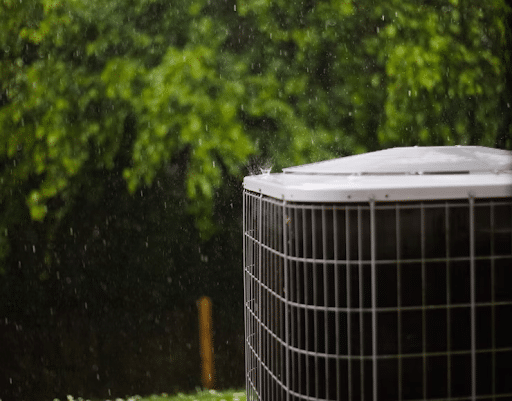
In today’s homes, air conditioning and HVAC systems are essential not just for comfort, but also for health, safety, and energy efficiency. From the dead of winter to the height of summer, a properly functioning HVAC system helps maintain ideal indoor temperatures and air quality year-round.
As a trusted air conditioning provider, Oak View Mechanical has helped countless homeowners better understand their heating and cooling systems. This guide breaks down the essentials every homeowner should know, including system types and sizing, filters, smart thermostats, and when to call in a professional. Whether you’re a first-time buyer or looking to upgrade an outdated system, this is your go-to resource for HVAC basics.
Understanding HVAC Basics
What Does HVAC Stand For?
HVAC stands for Heating, Ventilation, and Air Conditioning. These systems work together to regulate your home’s indoor climate and air quality. Heating systems generate warmth through furnaces, boilers, or heat pumps. Ventilation ensures the exchange of stale indoor air with fresh outdoor air, controlling humidity and removing airborne contaminants. Air conditioning units remove heat and moisture from the interior space, providing cooling comfort.
A well-designed HVAC system functions as an integrated network. For instance, in the winter, your heating system warms the air, and the ventilation system circulates it through the home. In the summer, your air conditioner works in concert with the air handler and ductwork to maintain a cool, comfortable indoor environment. Without adequate ventilation, even the best heating and cooling systems can fall short.

Types of HVAC Systems
There are several types of HVAC systems, each suited to different home configurations and climate needs:
- Split Systems: The most common residential HVAC system, with separate components for heating and cooling. These typically include a gas furnace for heat and an electric air conditioner for cooling. Ductwork distributes the conditioned air throughout the house.
- Packaged Systems: Ideal for homes with limited indoor space, these systems house heating and cooling components in one outdoor unit. They simplify installation and are often used in smaller homes or apartments.
- Ductless Mini Splits: These systems include an outdoor compressor and one or more indoor air-handling units. They’re perfect for additions, garages, or homes without existing ductwork. Each indoor unit can be independently controlled, offering zoned climate control.
- Heat Pumps: A versatile option that provides both heating and cooling by transferring heat. In winter, heat pumps extract warmth from the outside air (even in cold weather) and move it indoors. In summer, the process reverses. They work best in moderate climates but can be paired with backup heating systems in colder areas.
The Importance of Professional Installation
While DIY solutions might seem appealing, HVAC installation is a complex process that demands professional expertise. Improper installation can lead to:
- Reduced system efficiency
- Uneven temperature distribution
- Increased utility costs
- Shortened equipment lifespan
- Safety risks such as gas leaks or electrical hazards
Professional teams, such as those at Oak View Mechanical, ensure that your system is correctly sized, installed, and tested for peak performance. They also make sure that the ductwork, refrigerant lines, thermostat, and electrical components are installed up to code.
Beyond installation, professionals offer system education so you know how to operate and maintain your HVAC investment properly.
What Size AC Unit Do I Need?

Choosing the right size of system for your space is critical. When it’s too small, it may not be efficient, and when it’s too large, you may be spending far too much on the power. Consult with a professional to help choose an appropriate system. Here, let’s discuss some factors that might help keep you informed.
Factors that Affect AC Sizing
Choosing the right size AC unit is one of the most important decisions in HVAC planning. Let’s start with some important sizing factors.
- Square Footage: The most obvious factor. More space requires more cooling power, usually measured in BTUs (British Thermal Units).
- Ceiling Height: Tall ceilings mean more air volume to cool. A 2,000 sq ft home with vaulted ceilings may require a more powerful system than one with standard 8-foot ceilings.
- Insulation: Well-insulated homes retain conditioned air better, reducing load. Poor insulation increases system demand.
- Sun Exposure and Windows: Homes with many large, sun-facing windows absorb more heat. The type and condition of the windows also matter (e.g., single-pane vs. double-pane).
- Air Leakage: Older homes may have leaks around windows, doors, and ducts. These should be sealed before finalizing system size.
- Occupancy and Appliances: People and electronics produce heat. A home office or kitchen with multiple devices may need supplemental cooling.
- Climate: In Colorado Springs, for example, high altitude and dramatic temperature swings between day and night require systems that adapt efficiently to variable loads.
Manual J Load Calculation
A Manual J Load Calculation is a precise, industry-standard method used by HVAC professionals to determine the exact capacity your home needs for heating and cooling. It factors in everything listed above and more, including:
- Number and placement of windows and doors
- Building orientation relative to the sun
- Heat-generating appliances
- Ductwork efficiency
- Local weather data
This calculation helps prevent costly oversights that can occur when sizing is based solely on square footage. Skipping Manual J often leads to mismatched systems that never perform as expected. Always insist on this assessment before installation.
Consequences of Incorrect Sizing
An undersized system will struggle to maintain comfort, while an oversized system will cycle on and off too frequently, failing to control humidity and wasting energy.
Undersized Units:
- Constantly run without reaching the target temperature
- Shorten compressor lifespan
- Lead to higher electric bills due to inefficiency
- Provide poor humidity control
Oversized Units:
- Short-cycle frequently (turning on and off), which reduces efficiency
- Inadequate dehumidification, making your home feel clammy
- Increased wear and tear
- Larger upfront cost with no added benefit
Even the most advanced HVAC system will underperform if it isn’t properly sized. Partnering with a reputable HVAC contractor is key.
What is a SEER Rating, and Why Does it Matter?
SEER, or Seasonal Energy Efficiency Ratio, is the standard rating for air conditioning efficiency in the U.S. It calculates how efficiently an AC unit can cool over an average cooling season. Think of it like miles per gallon for your car. The higher the SEER, the less energy the unit uses to do the same job.
- Typical Range: 13 (minimum for many systems) to 26+ for high-efficiency units.
- Regional Requirements: In the Southwest and Southeast U.S., the minimum required SEER is higher due to hotter climates.
Here is why it matters so much:
- Lower Operating Costs: High-SEER units use less electricity.
- Environmental Impact: Reduced energy consumption means fewer emissions.
- Utility Rebates: Many regions offer incentives for units rated SEER 16 or above.
- Long-Term Value: Even though high-SEER models cost more upfront, they often pay for themselves over time through lower bills.
Don’t assume higher SEER is always better. The truth is that your home’s design, climate, and usage patterns all affect what rating is most cost-effective.
Air Filter Maintenance: How Often and What Kind?

Your HVAC system’s air filter serves as the first line of defense against airborne contaminants, including dust, pollen, mold spores, pet dander, and bacteria. Regular filter maintenance is essential to preserving indoor air quality, reducing strain on your equipment, and improving system performance.
How Often to Change Your Air Filter
A general rule of thumb is to change your HVAC filter every 1 to 3 months. However, this timeline can vary depending on several factors:
- Pets: Homes with cats or dogs typically require more frequent filter changes due to shedding.
- Allergies: Households with allergy sufferers should consider replacing filters every 30 to 45 days.
- Smoking Indoors: This introduces more particulates, demanding more frequent filter changes.
- Construction/Renovation: Projects that stir up dust or debris may necessitate weekly inspections.
- Filter Type: Higher-efficiency filters may last longer than basic fiberglass ones, but they should still be checked monthly.
Neglecting to change filters can cause airflow restrictions, frozen coils, system overheating, and even motor failure.
There are also many different types of filters to choose from. Any given unit will have everything from cheap fiberglass filters to quality HEPA or activated carbon filters to choose from. You can choose what works for your home and needs, but here is a quick overview of the different filter types.
- Fiberglass Filters: The most affordable, but they capture only large particles. Not ideal for households with allergies.
- Pleated Filters: Made of polyester or cotton folds, they trap finer particles and offer better airflow. Great for average households.
- HEPA Filters: Capable of capturing 99.97% of airborne particles as small as 0.3 microns. Ideal for asthma or severe allergy sufferers.
- Electrostatic Filters: Use static electricity to attract particles. Available in disposable and washable models.
- Activated Carbon Filters: These can remove odors and gases, in addition to particles. Often used in conjunction with pleated filters.
Matching your filter to your HVAC system and lifestyle ensures better air quality and prevents system strain.
Are Smart Thermostats Worth It?
Smart thermostats have become one of the most popular HVAC upgrades in recent years, and for good reason. These devices provide automation, insights, and controls that traditional thermostats lack.
Let’s start with some of the benefits.
- Energy Efficiency: Smart thermostats learn your daily routines and adjust temperatures accordingly to save energy when you’re away.
- Remote Access: Control your HVAC system from anywhere via your smartphone or tablet.
- Zoning Compatibility: Some models work with zoned HVAC systems, allowing temperature control by room or zone.
- Reports & Alerts: Many provide monthly energy reports, filter change reminders, and alerts if the system isn’t operating normally.
- Integration: Works with smart home ecosystems such as Google Assistant, Amazon Alexa, or Apple HomeKit.
When does it make sense to use a smart thermostat? They are great options for homes that are unoccupied for the majority of the day because you can control settings from anywhere. This allows you to maintain comfort, control, and better efficiency as well. Looking to lower your utility bills? This might be a great way to do so. It’s also a great idea if you have a consistent routine where you can set up specific times or zones for those routines.
While there are some circumstances where they are less ideal, you can use these in any home. If you work from home and rarely change your settings, you don’t necessarily need a smart thermostat. In addition, it is important to know that some very old HVAC systems might not be compatible with a smart thermostat without first making some modifications.
Common Air Conditioning Problems and What They Might Mean
Even the very best and most advanced HVAC systems can develop issues over time. Recognizing the signs early can prevent major breakdowns and save on repair costs. Let’s take a closer look at some common issues.
Why Is My AC Not Cooling?
If your AC is blowing warm air or isn’t cooling effectively, potential causes include:
- Dirty Air Filter: Blocks airflow and causes frozen coils.
- Low Refrigerant: Often due to leaks; requires immediate professional attention.
- Thermostat Issues: Incorrect settings or dead batteries.
- Tripped Breaker or Blown Fuse: Interrupts power to the compressor.
- Clogged Condensate Drain: Can trigger a safety shutoff.
Why Is My Furnace Blowing Cold Air?
Common culprits include:
- Pilot Light Out: Especially common in older gas furnaces.
- Dirty Flame Sensor: Prevents the burner from staying lit.
- Thermostat Settings: Make sure it’s set to “heat” and the fan to “auto.”
- Duct Leaks: Warm air may be escaping before it reaches your vents.
Why Is My HVAC Making Noise?
Different sounds can signal different problems:
- Banging or Clanking: Likely loose or broken parts inside the compressor.
- Hissing: Could indicate a refrigerant leak or ductwork issue.
- Squealing: A worn-out blower motor belt.
- Buzzing: Electrical issues or a failing capacitor.
If your HVAC system is showing any of these symptoms, prompt diagnosis from a certified technician is essential. Ignoring warning signs often leads to more expensive repairs. You can try to troubleshoot small things you are familiar with, but it’s much better to lean on the professionals to help you get things taken care of.
Seasonal Maintenance Tips for HVAC Systems
HVAC systems benefit from proactive seasonal maintenance. Keeping up with tune-ups can improve efficiency, lower energy costs, and extend the life of your equipment. We’ve put together some seasonal checklists to help you know what to do and when. Keep in mind that most companies also offer seasonal tune-ups, so you can hire professionals to handle the upkeep for you.
Spring and Summer Checklist:
- Replace or clean air filters
- Clear debris from outdoor condenser units
- Inspect refrigerant lines and insulation
- Check the condensate drain for blockages
- Clean evaporator and condenser coils
- Test system startup and shutdown functions
- Adjust thermostat programming for warmer months
Fall and Winter Checklist:
- Change or clean air filters
- Inspect and clean burners and ignition systems
- Examine heat exchangers for cracks
- Test carbon monoxide detectors
- Check flue systems for proper venting
- Inspect and calibrate thermostats
- Lubricate blower and motor components
While homeowners can perform simple tasks like replacing filters or clearing leaves from condenser units, professional maintenance covers far more. The professionals have special certifications and tools to handle things you simply cannot. For example, refrigerants can only be handled by properly licensed parties. Your professional can do pressure checks and add refrigerant if necessary. They are also trained for things like electrical inspections, voltage testing, duct leak testing, airflow balancing, combustion analysis, thermostat calibration, and more.
If you’re considering maintenance plans, check with your local providers. At Oak View Mechanical, we offer affordable maintenance agreements that keep you on the schedule for seasonal visits and checks to ensure your system is always running at its best.
When to Replace vs Repair Your AC System
Determining whether to repair or replace your HVAC system depends on a mix of financial, functional, and safety considerations.
Most units have a lifespan of 10-15 years, although this can vary some. For example, a gas furnace or boiler system may last 20+ years. But age alone isn’t always a reason to immediately replace the unit if it is still working well without costly repairs.
These are some signs you can monitor to determine whether it might be time to consider a replacement.
- Frequent breakdowns and rising repair costs
- Declining energy efficiency despite regular maintenance
- Poor airflow or temperature control
- Excessive noise or odor during operation
- System still uses R-22 refrigerant, which is being phased out
If and when you need to upgrade or you decide you are ready to do so, there are many benefits to doing so. Just wait until it is an advantageous move if you can.
Check out these benefits:
- Improved energy efficiency (especially with high SEER ratings)
- Better comfort and humidity control
- Enhanced indoor air quality
- Quieter operation and newer smart features
- May qualify for rebates or tax credits
A professional HVAC technician can assess your system, help calculate long-term savings, and determine whether investing in a new unit makes more sense than continued repairs.
Energy Efficiency Tips for HVAC Use
Improving energy efficiency isn’t just about saving money on your utility bills. Efficiency can also reduce wear and tear on your HVAC system and minimize your environmental footprint. These practical tips can help you get the most from your heating and cooling system year-round.
Use Ceiling Fans to Your Advantage
Ceiling fans can significantly support your HVAC system. In the summer, set them to spin counterclockwise to create a cooling breeze that makes rooms feel up to 4 degrees cooler. This allows you to raise the thermostat without sacrificing comfort. In winter, reversing the fan direction circulates warm air that rises to the ceiling, improving heat distribution.
Keep Blinds and Curtains Closed During Peak Sun Hours
Direct sunlight through windows can dramatically increase indoor temperatures, especially in rooms with southern or western exposure. Close blinds, shades, or curtains during the hottest parts of the day to reduce indoor heat gain. Thermal or blackout curtains can add even more insulation.
Seal Ducts, Windows, and Doors
Air leaks around windows, doors, and ductwork can account for up to 30% of energy loss. Use weatherstripping or caulk to seal gaps around doors and windows. Have a professional inspect your ductwork for leaks, disconnected joints, or insufficient insulation, especially in unconditioned spaces like attics or crawlspaces.
Set Thermostats Efficiently
According to the U.S. Department of Energy, you can save as much as 10% a year on heating and cooling by adjusting your thermostat by 7–10 degrees for 8 hours a day. Use a programmable or smart thermostat to automate this based on your schedule. In summer, aim for 78°F when you’re home and higher when away; in winter, 68°F is typically comfortable for occupied times.
Schedule Pre-Season Tune-Ups
Preventive maintenance is one of the most cost-effective ways to keep your HVAC system running efficiently. Schedule professional tune-ups in the spring (for cooling systems) and fall (for heating systems). Regular inspections can catch problems early, clean components that hinder airflow, and ensure optimal refrigerant levels.
Limit Heat-Producing Activities
During the hottest parts of the day, avoid using ovens, stoves, dryers, or dishwashers, which all add heat to your home. Cook outside on a grill or prepare cold meals. If you must use heat-generating appliances, try doing so in the early morning or evening.
By implementing these small but impactful changes, homeowners can make a significant difference in energy use, system longevity, and comfort.
Looking for Air Conditioning Solutions? Trust Oak View Mechanical With Your Needs
HVAC systems play a critical role in maintaining indoor comfort, air quality, and energy efficiency. Being informed empowers you to make better decisions as a homeowner. While some maintenance can be done independently, expert insight is vital for system installation, diagnostics, and major repairs. Consulting a qualified HVAC company ensures optimal performance, safety, and savings.
If you’re looking to install, upgrade, or maintain your system, consider reaching out to Oak View Mechanical. Our experienced technicians are ready to help you get the most from your home’s heating and cooling systems, all year long.